Rob Reiner’s Death Sparks Discussion on Addiction and Violence
Tragically, director Rob Reiner and his wife Michele were slain in their home in the early morning hours of December 14th, 2025. Even more heartbreaking is the news that their son Nick, 32, was charged with their murders. Nick has had a long struggle with addiction, entering rehab for the first time at just 15 years old and experiencing several bouts of homelessness. However, he had sustained a long period of recovery, during which he and his father, Rob, had made the movie Being Charlie together, a film loosely based on Nick’s experiences with addiction and recovery.
The deaths of Rob and Michele Reiner, which startled the nation, sparked an important discussion around the connection between substance use and violence. On December 16th, Dr. Lucas Trautman, Medical Director at AAC’s Oxford Treatment Center, joined Laura Ingraham on The Ingraham Angle to discuss this link.
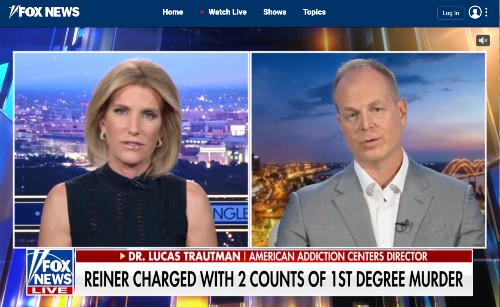
Now, Dr. Trautman is diving deeper on the topic, answering common questions many people are now asking. Continue reading for an important Q &A with Oxford Treatment Center’s Medical Director.
How are violence and addiction connected?
Violence and addiction are connected through changes in brain function that impair judgment, emotional regulation, and impulse control. Substances can lower inhibitions and increase reactivity, making it harder for individuals to pause or think through consequences. Addiction is also often intertwined with trauma, chronic stress, and untreated mental health conditions, which can further increase emotional volatility. It is important to note that most people with substance use disorders are not violent, but risk rises under certain conditions.
Can certain drugs cause violent behaviors in those who are not normally aggressive?
Yes, and we touched on this a bit in my interview with Laura Ingraham. Certain substances can provoke aggressive or violent behavior even in individuals with no prior history of aggression. Alcohol, stimulants such as cocaine or methamphetamine, and some synthetic drugs can increase paranoia, impulsivity, and emotional reactivity. These effects are amplified during intoxication, withdrawal, or sleep deprivation. The behavior is often a temporary drug induced state rather than a reflection of the person’s baseline character.
How can families tell the difference between emotional volatility and a situation that may be unsafe?
Emotional volatility often involves mood swings, irritability, or verbal outbursts that de escalate with time or reassurance. A situation becomes unsafe when there are threats, physical intimidation, loss of reality testing, or access to weapons combined with substance use.
Warning signs include:
- Escalating intensity.
- Inability to calm down.
- Fixation on perceived threats.
- Statements that suggest harm to self or others.
Families should trust their instincts and prioritize safety if something feels different or more dangerous than prior behavior.
What role do untreated mental health conditions play in the connection between addiction and violent behavior?
Untreated mental health conditions such as severe depression, bipolar disorder, PTSD, or psychosis can significantly increase the risk of violence when combined with substance use. Substances can worsen symptoms, reduce insight, and interfere with treatment adherence. Trauma related conditions in particular can heighten fight or flight responses and misinterpretation of danger. Addressing both mental health and substance use together is essential to reducing risk.
When does substance use increase the risk of violence, and what specific warning signs should families take seriously?
Risk increases during periods of heavy intoxication, withdrawal, polysubstance use, or rapid escalation in use. Warning signs include:
- Sudden personality changes.
- Paranoia, insomnia.
- Reckless behavior.
- Threats.
- Destruction of property.
- Fixation on grievances.
- Repeated legal issues.
- Carrying weapons.
- Refusing help while becoming more unstable are especially concerning.
These signals warrant immediate professional evaluation.
What should I do if I’m worried about my loved one?
If you are worried, prioritize safety first and do not attempt to manage a dangerous situation alone. Seek professional help early by contacting a mental health provider, addiction specialist, or emergency services if there is immediate risk. Set clear boundaries and avoid confrontational conversations during intoxication or heightened emotional states.
Early intervention can prevent escalation and often leads to better outcomes for everyone involved.